 |  |
 |  |  |  |  |
 |  |  |


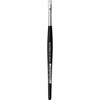
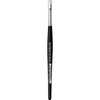
Size 8 of Series 140 is a flat drybrush brush in durable white synthetic fibre – same fibre length, 2 mm more reach. Series 140 is not a painting brush that also happens to survive drybrushing. It is a tool built for the technique: da Vinci specifies it for rust, dirt, weathering and ageing.
Note the total length: 155 mm and the extra-short matt hexagonal handle. Drybrushing means pressing – a short handle keeps your grip close to the surface, keeps the pressure under control and keeps your hand from tiring.
Specifications
| Series | 140 (DRY BRUSH) |
| Size | 8 |
| Fibre | durable white synthetic |
| Shape | flat |
| Visible fibre length | 6.5 mm |
| Brush width | 8.0 mm |
| Total length | 155 mm |
| Handle | extra short wooden, hexagonal, matt black |
| Ferrule | silver-coloured |
| Intended use | drybrushing – rust, dirt, weathering and ageing |
| Manufacturer | da Vinci Kunstlerpinselfabrik DEFET GmbH, Nuremberg |
| Country of origin | Germany |
| Manufacturer code | VA-140_8 |
What it does on a miniature
- Larger panels and surfaces – The fibre is the same length as on the size 6 – 6.5 mm. Only the width differs: 8 mm instead of 6 mm. Vehicle hulls, larger armour and terrain go faster.
- Terrain and bases – Stone, wood, concrete. A wider face means fewer passes and a more even result.
- Weathering at larger scales – Busts, 75 mm figures and models – where the size 6 simply becomes slow.
Flat or round?
With drybrushing the shape matters, not the size. Series 140 is flat – 6.5 mm of fibre across 6 or 8 mm. It leans on its edge, so it drags paint along armour edges, panels and folds in a straight line. Series 143 is round – 10.0 mm of fibre on a 7.5 mm body. It leans on the whole dome, so it settles onto irregular surfaces without leaving bands.
Flat for edges, round for texture. Armour, blades, panels and flat surfaces with the flat; fur, stone, terrain and curves with the round. Anyone painting both figures and terrain needs both.
FAQ
Why a dedicated drybrush brush?
Because drybrushing destroys brushes. You drag almost-dry paint across a surface and grind the fibre against hard plastic or resin. Natural hair snaps under that, and an ordinary painting brush splays within a few sessions. The white synthetic fibre of Series 140 is stiff and durable precisely for this – and far cheaper than the sable you would otherwise sacrifice.
How do you drybrush properly?
Load the brush, then wipe nearly all of it off on a paper towel – only a trace should remain. Then pass lightly over the surface so paint catches on raised areas only. If you can see a stroke on the surface, you did not wipe off enough.
Why is the handle so short?
155 mm against 180–190 mm on painting brushes. Drybrushing means pressure and fast repeated passes – a long handle costs you the feel for that pressure and tires your hand. The extra-short matt handle is deliberate, not a saving.
Can it be used for other techniques?
Yes – stippling, texturing and applying pigments. Anywhere you need stiff fibre and the point does not matter.
How do I look after it?
Dried paint at the ferrule finishes this brush too. Wash with lukewarm water and brush soap after painting and dry it flat. Avoid hot water, which deforms synthetic fibre permanently.
Not sure which series fits your work? The complete guide to da Vinci brushes for miniatures compares every series by hair length, shape and use.
- price10.60 €
- price9.30 €